Release time:2026-06-03 14:18:06 browse:
Choosing the right paint roller is important for achieving a smooth finish, improving painting efficiency and reducing paint waste. Different roller fabrics are suitable for different paints, surfaces and working conditions. This guide explains the main roller sleeve materials and how to select the right one for your project.
Application | Recommended Roller Fabric | Key Benefit |
Budget wall painting | Polyester / Chemical fiber | Lower cost |
General wall painting | Acrylic-polyester blended fabric | Balanced performance and price |
Smooth water-based finish | Microfiber | Low lint and fewer roller marks |
Topcoat / marine paint | Hand-sewn microfiber | Fine finish and strong release |
Primer / base coat | Hand-sewn blended fabric | Good paint loading |
Large-area painting | 100% acrylic | High paint holding capacity |
Floor or metal paint | Nylon | Wear resistance |
Premium finish | Wool / wool blended | Delicate coating surface |
Texture coating | Sponge | Three-dimensional decorative effect |
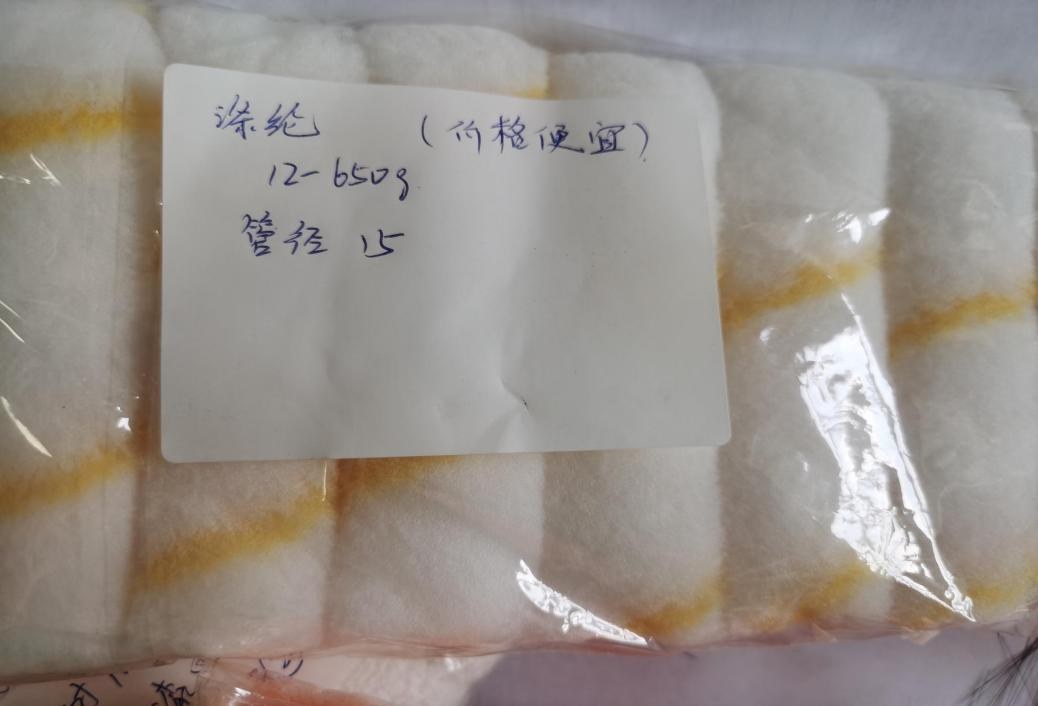
Polyester roller fabric - economy-grade roller sleeve option.
Polyester roller fabric is made by thermal bonding technology. It offers good solvent resistance and corrosion resistance at a competitive price. A common specification is 12 mm pile height with 650 g weight, often marked as 12-650.
This fabric is suitable for economy-grade paint rollers and price-sensitive projects. Compared with higher-grade materials, its paint pick-up, paint release and final roller marks are more basic, so it is often selected when cost control is the main priority.
Recommended for: Economy-grade rollers, general wall painting and low-cost projects.
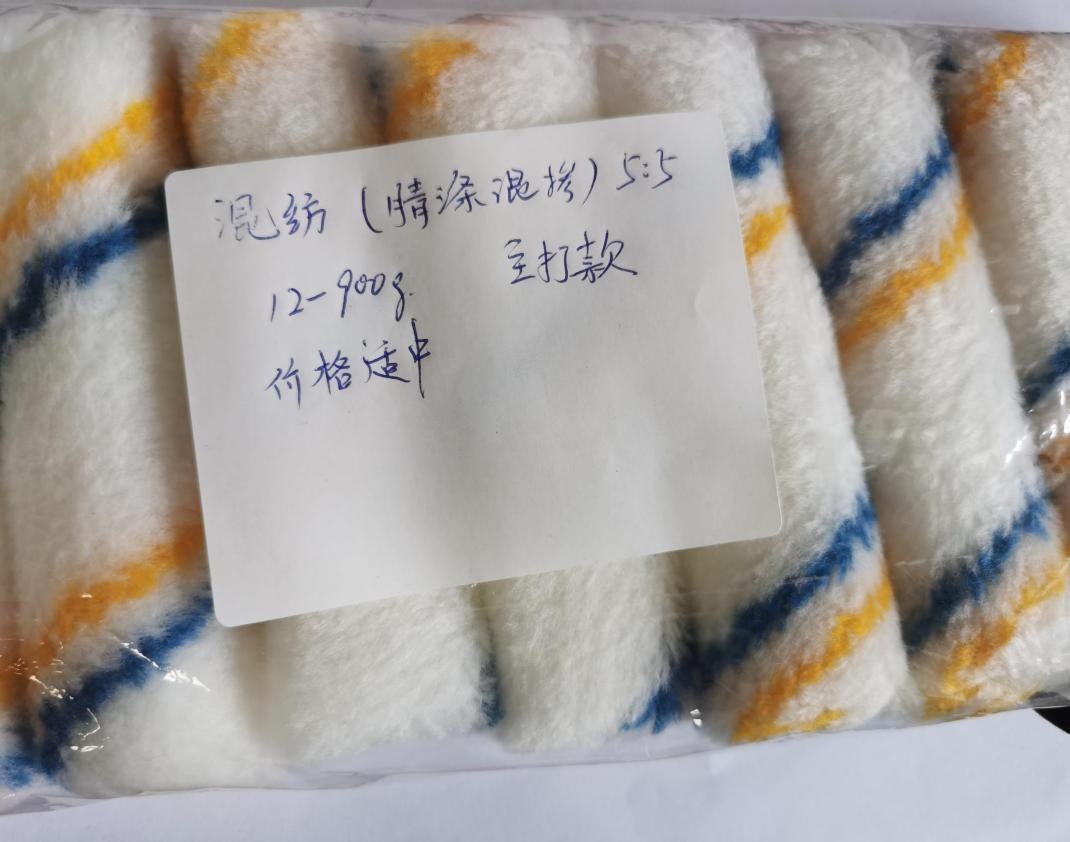
Acrylic-polyester blended roller fabric - balanced performance for wall painting.
Acrylic-polyester blended fabric, commonly in a 50/50 blend, is also produced by thermal bonding. It has strong paint absorption, good paint pick-up and release, and the pile is firm and not easy to shed.
A common specification is 12-900. This fabric is widely used for wall paint, emulsion paint and repair work around edges and corners. It is a practical main-choice fabric because it balances performance, durability and price.
Recommended for: Wall paint, interior painting, emulsion paint and repair work.
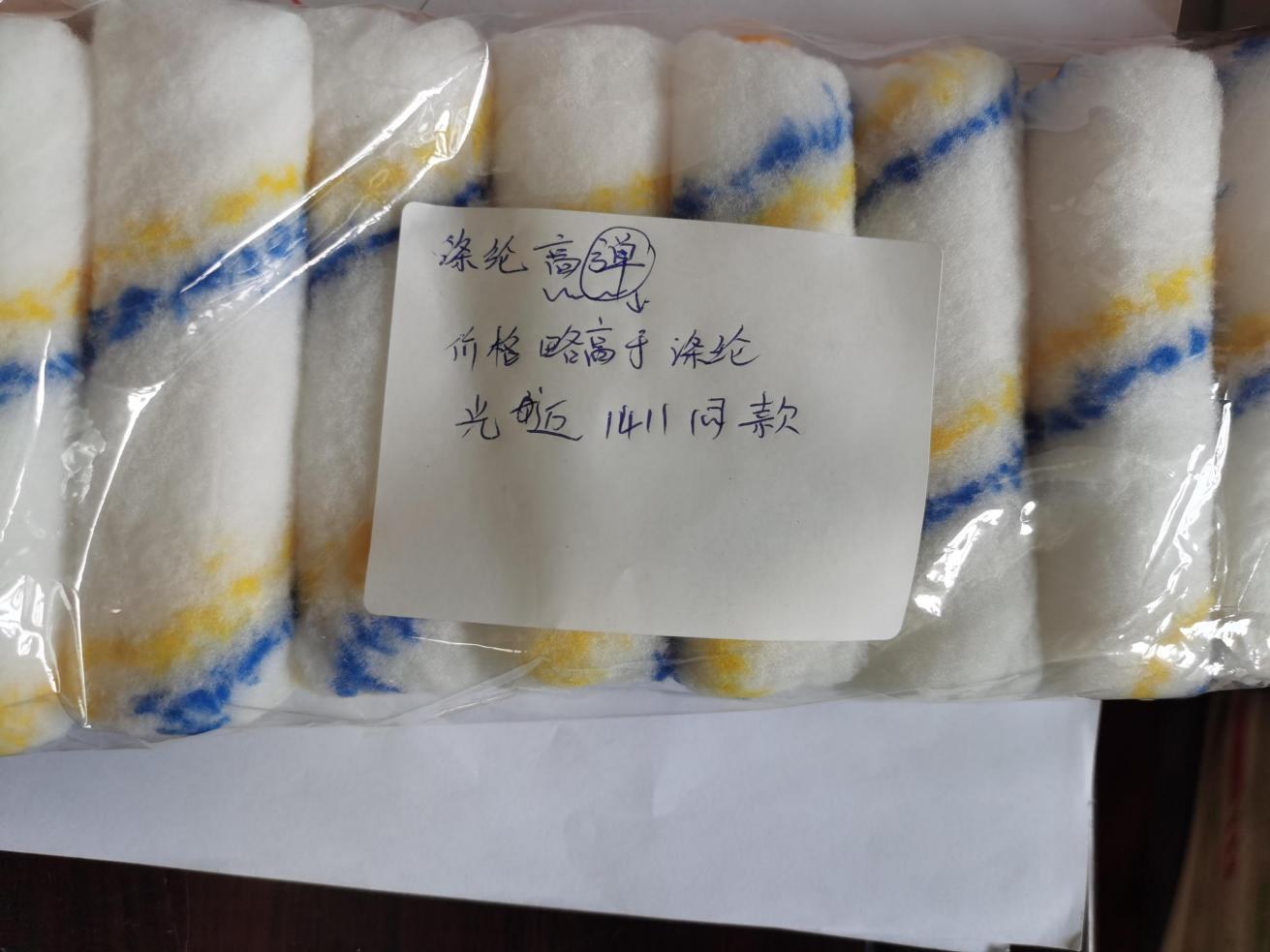
High-elastic polyester roller fabric - suitable for repair and touch-up work.
High-elastic polyester fabric has better elasticity than standard polyester. It is not easy to shed and has good solvent resistance, making it suitable for repair rollers and touch-up painting.
Its price is usually slightly higher than ordinary polyester, but it provides better durability and a cleaner application experience.
Recommended for: Repair rollers, touch-up painting and solvent-based coatings.
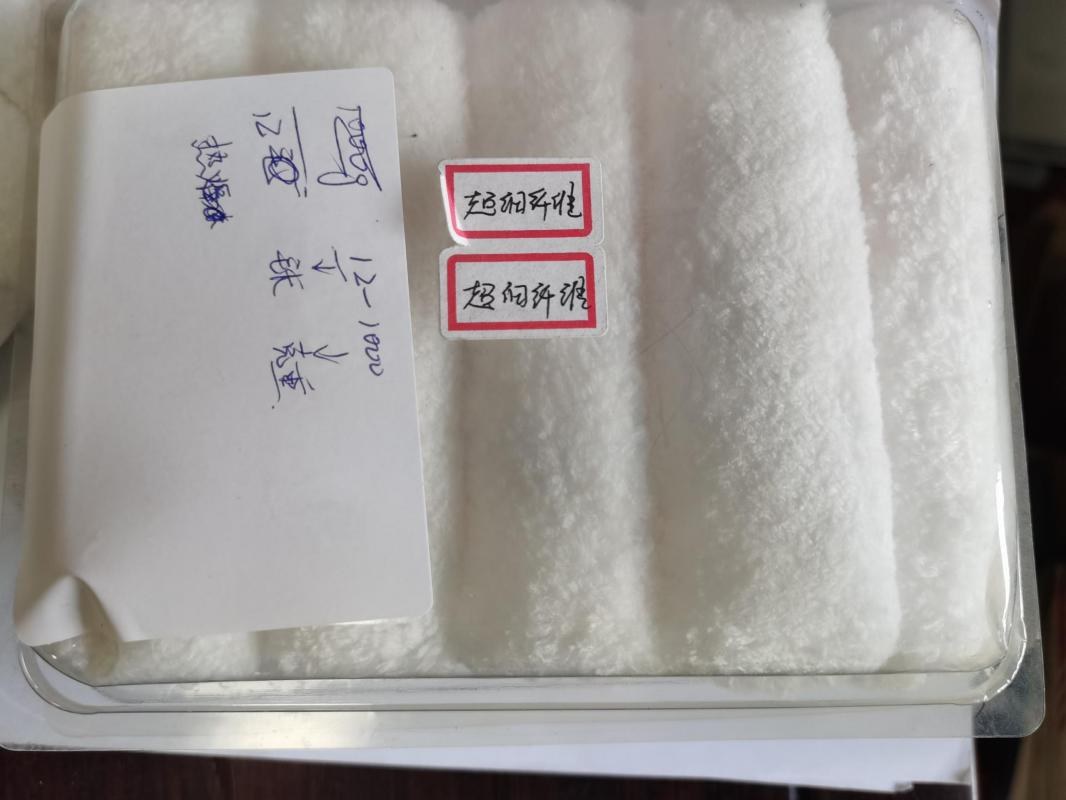
Microfiber roller fabric - smooth finish with low lint.
Microfiber roller fabric is made by thermal bonding technology. It has excellent corrosion resistance and solvent resistance, strong paint pick-up and release, and produces fewer roller marks.
Microfiber is also low-lint, making it suitable for water-based paint, latex paint and fine wall finishing. It is especially suitable for customers who need a cleaner and smoother paint surface.
Recommended for: Water-based paint, latex paint, fine wall finish and export-grade rollers.
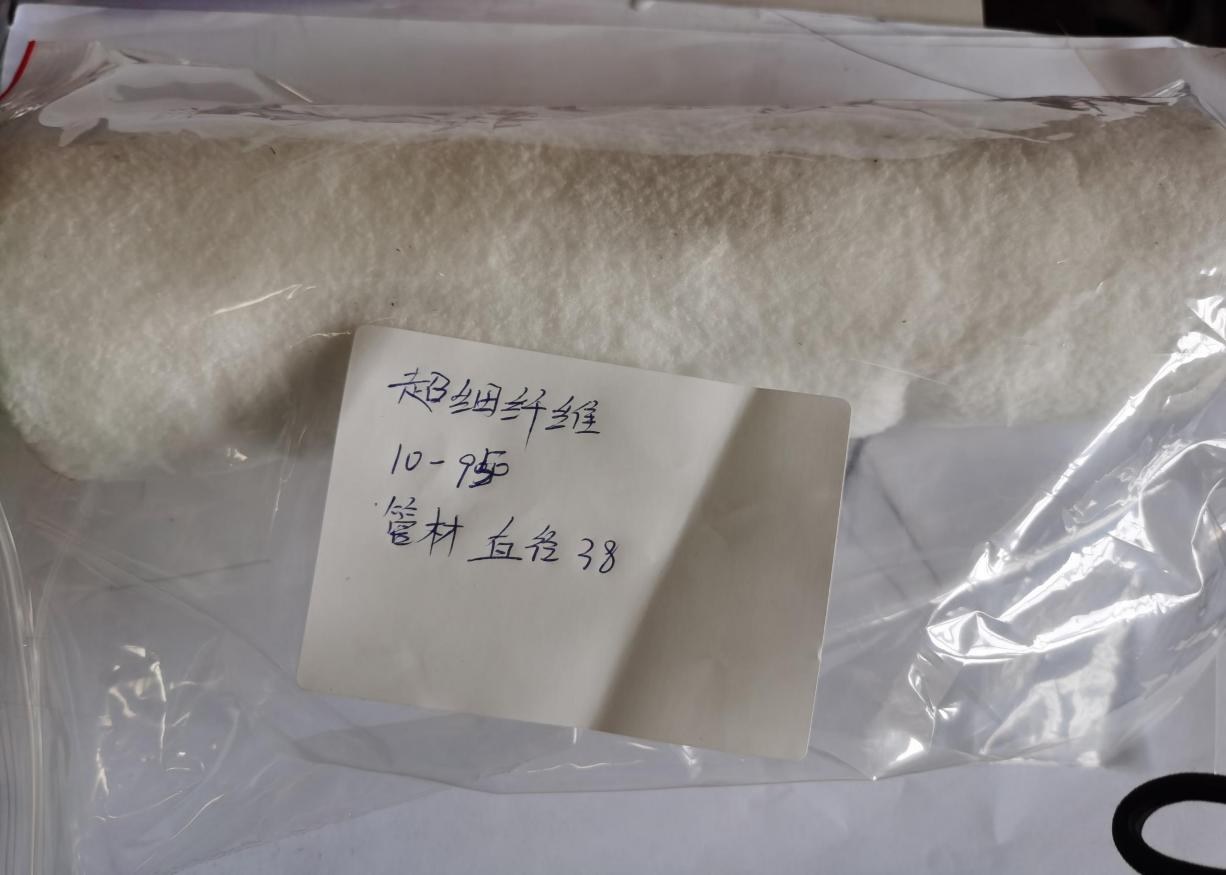
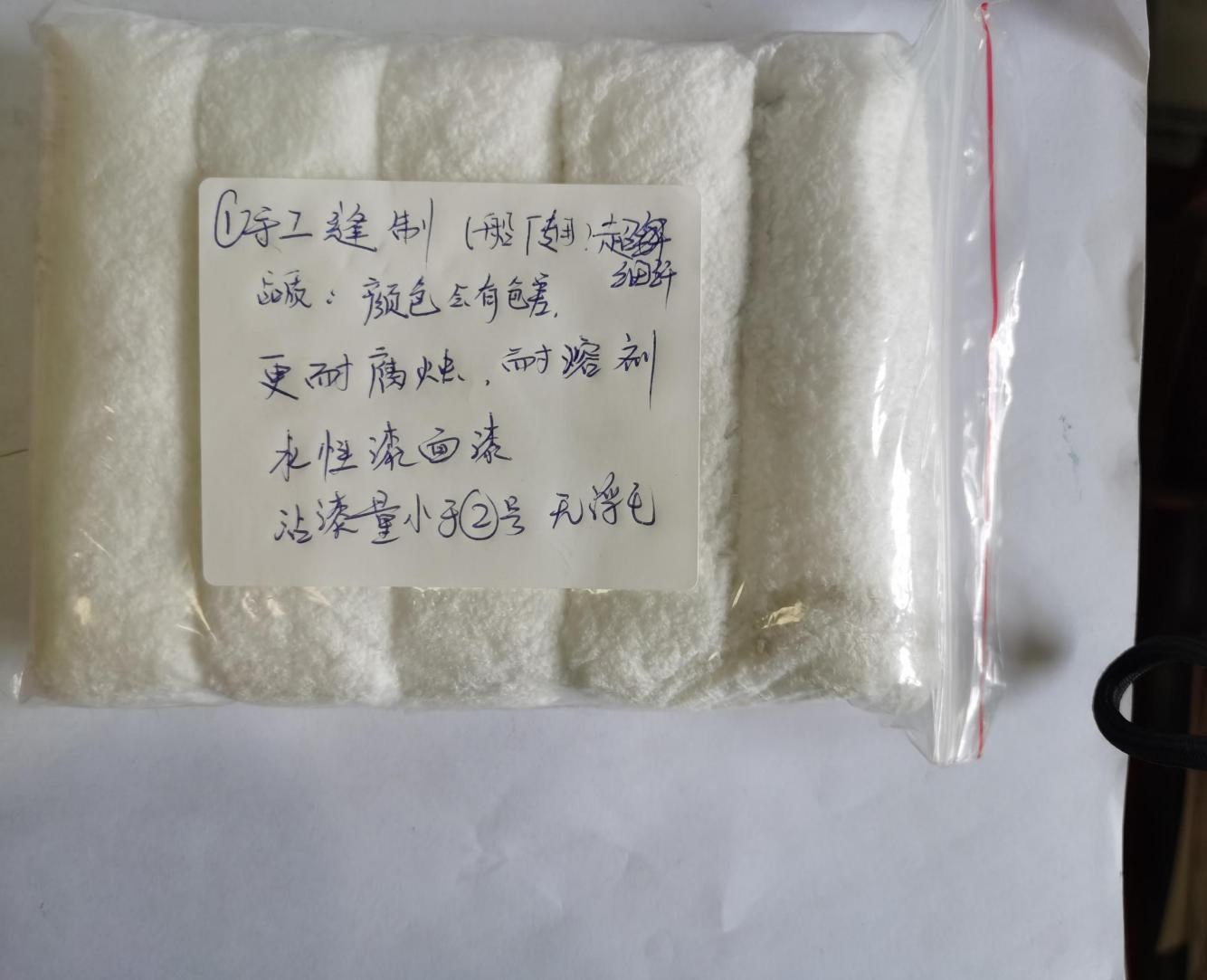
Hand-sewn microfiber roller - strong paint absorption and smooth release.
Hand-sewn microfiber rollers offer strong paint absorption and smooth paint release. They produce fewer roller marks and very low lint, which makes them suitable for topcoat applications and marine painting projects.
Please note that microfiber fabric may have slight color differences between different production batches, but this does not affect the normal painting performance.
Recommended for: Topcoat, marine paint and high-quality finishing work.
Hand-sewn blended roller - commonly used for primer and base coat applications.
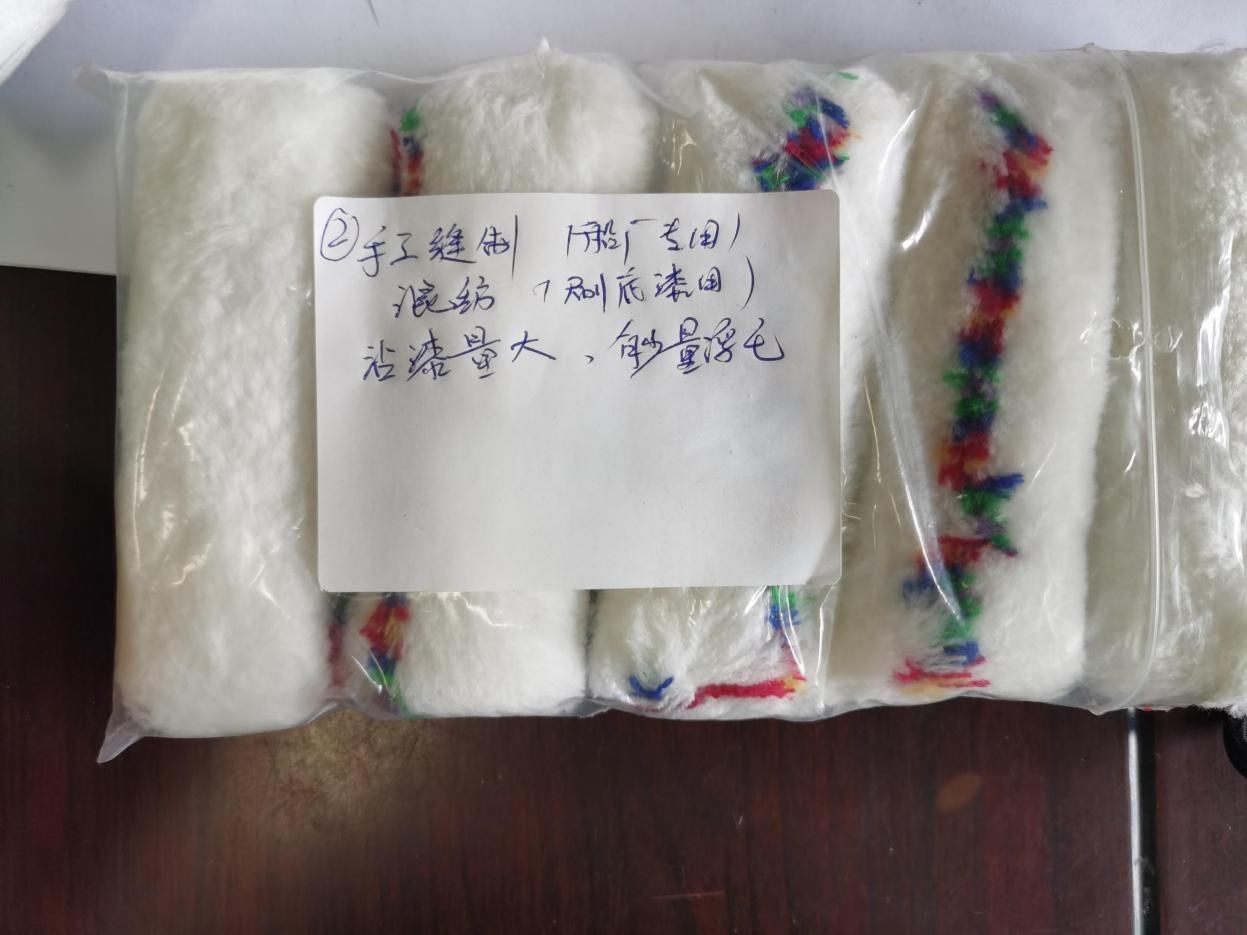
Additional view of the hand-sewn blended roller fabric.
Hand-sewn blended rollers are often used for primer applications, especially in marine painting. They provide good paint loading and are practical for base coat work.
Compared with microfiber, blended fabric may have some lint, so it is more suitable for primer or base coat rather than final topcoat finishing.
Recommended for: Primer, base coat and marine paint applications.
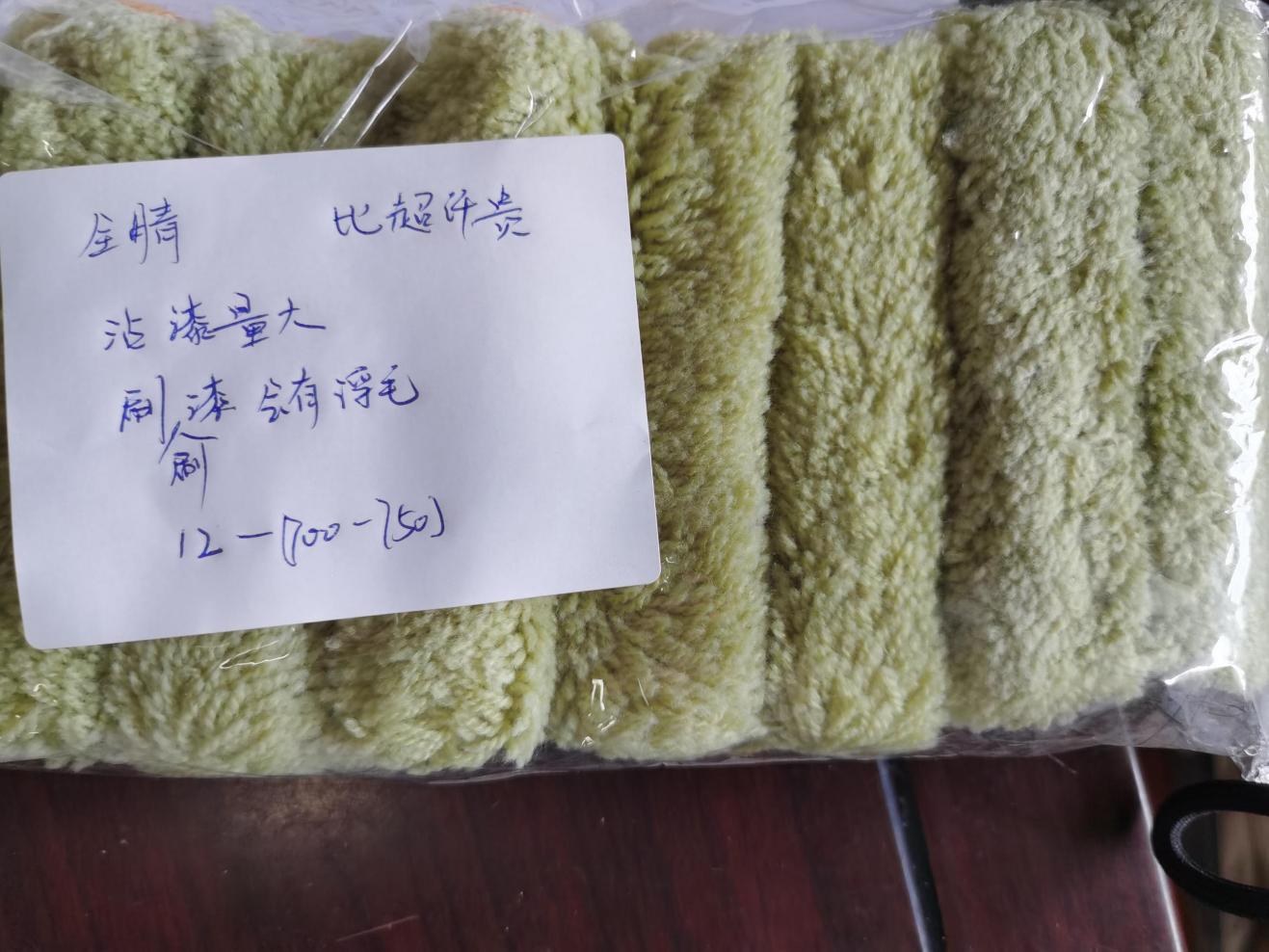
100% acrylic roller fabric - high paint holding capacity.
100% acrylic roller fabric is popular among professional painters. It has good paint absorption, large paint holding capacity, strong wear resistance and good durability.
Acrylic rollers are suitable for large-area painting where paint loading and working efficiency are important. However, acrylic fabric may have some lint during use.
Recommended for: Wall coatings, large-area painting and painters who need high paint loading.
Nylon roller fabric is wear-resistant, durable and not easy to shed. It is suitable for flooring paint and metal paint.
Compared with standard wall-paint rollers, nylon rollers are used in smaller quantities, but they perform well in special coating applications that require stronger abrasion resistance.
Recommended for: Floor paint, metal paint and industrial coating.
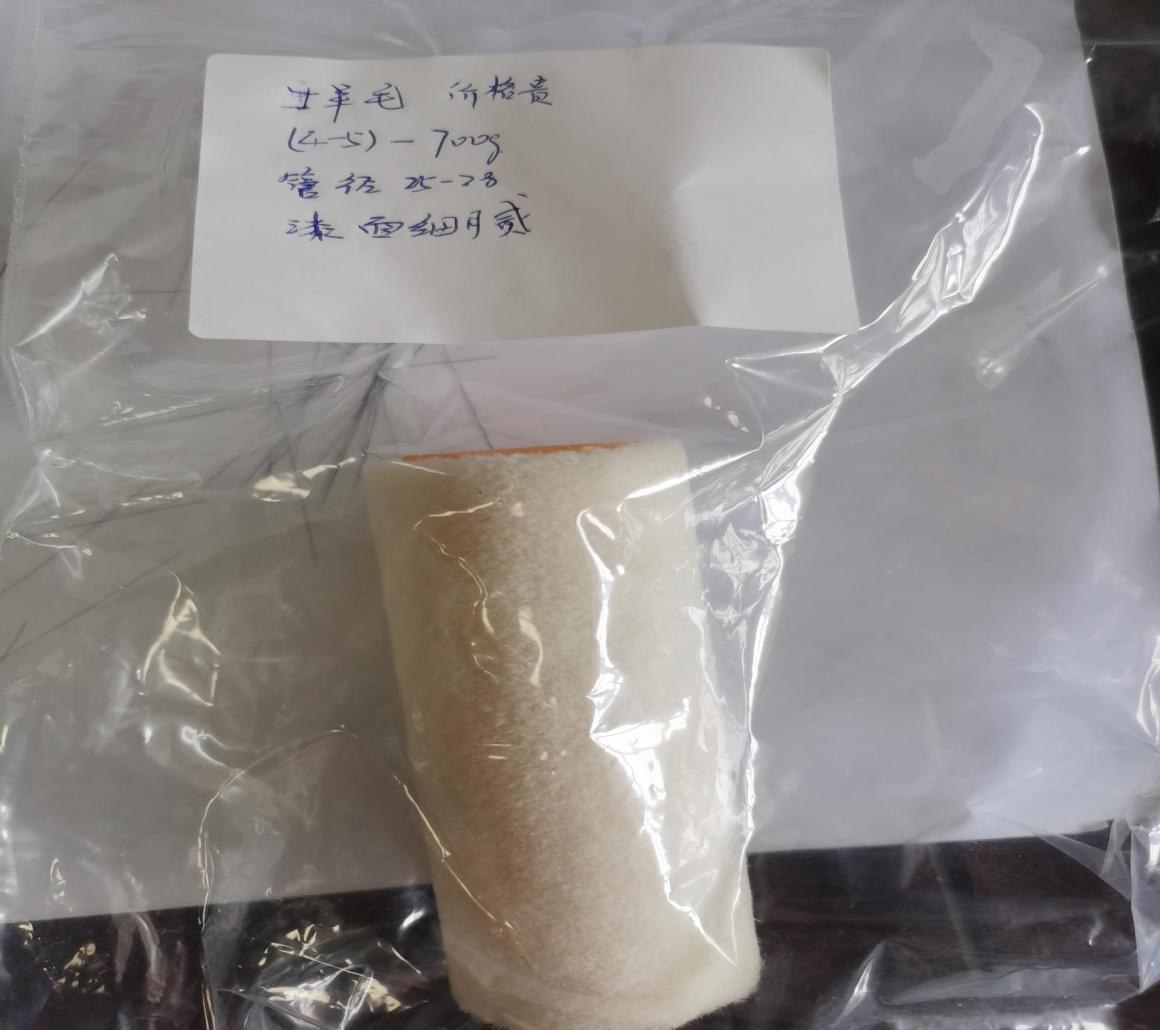
Wool roller fabric - suitable for fine and delicate paint finish.
Wool roller fabric provides a fine and delicate paint finish. It is usually more expensive than synthetic fabrics, but it offers excellent coating quality and a smooth surface effect.
It is suitable for customers who value premium finish quality more than low price.
Recommended for: Premium paint finish, fine surface coating and high-end painting work.
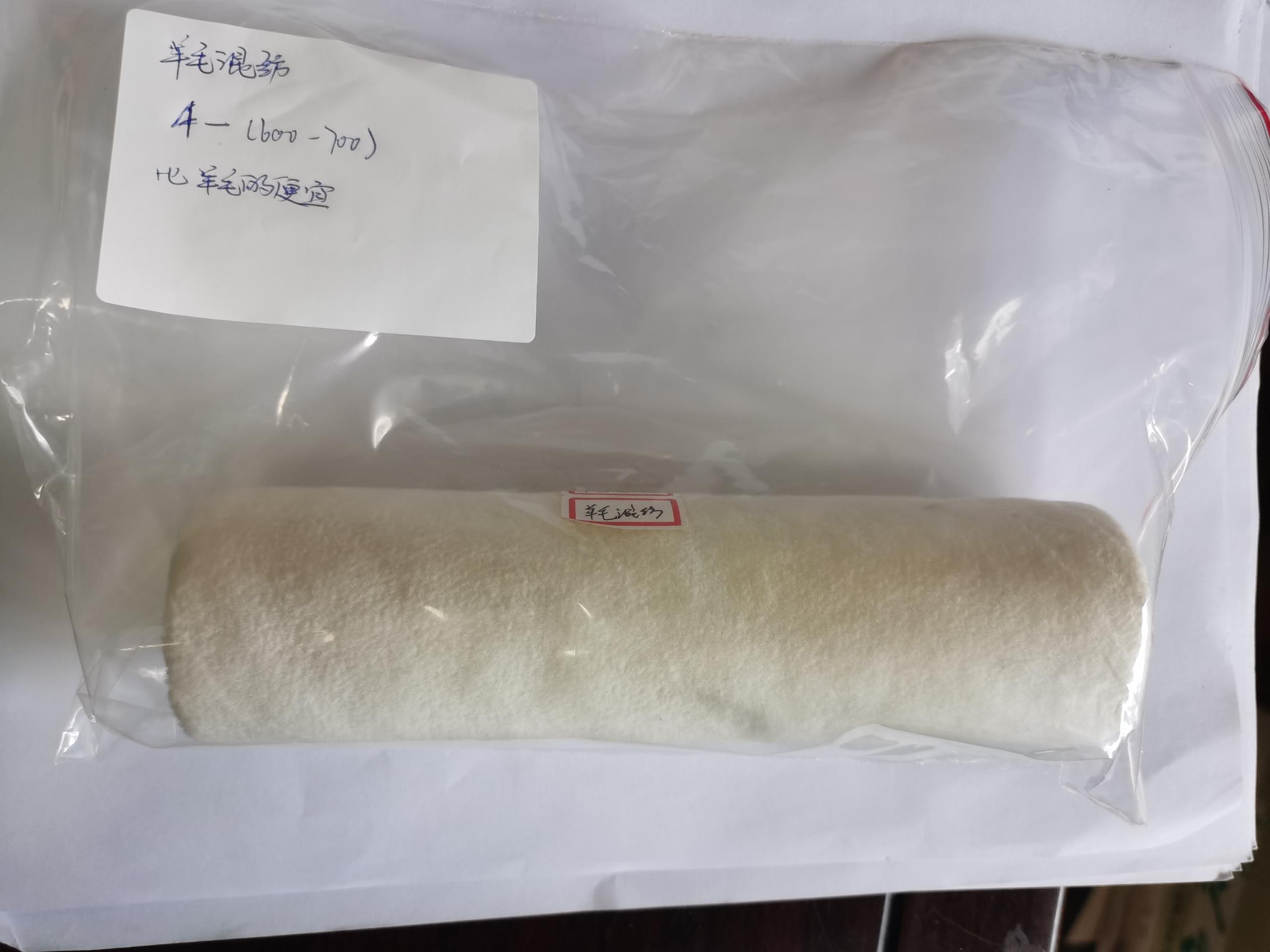
Wool blended roller fabric - good absorption with durable performance.
Wool blended roller fabric is suitable for paint and coating applications. It has high paint absorption, good durability and is not easy to shed.
It provides a good balance between natural wool performance and synthetic durability, making it a practical choice for professional coating work.
Recommended for: Oil paint, coatings and durable professional rollers.
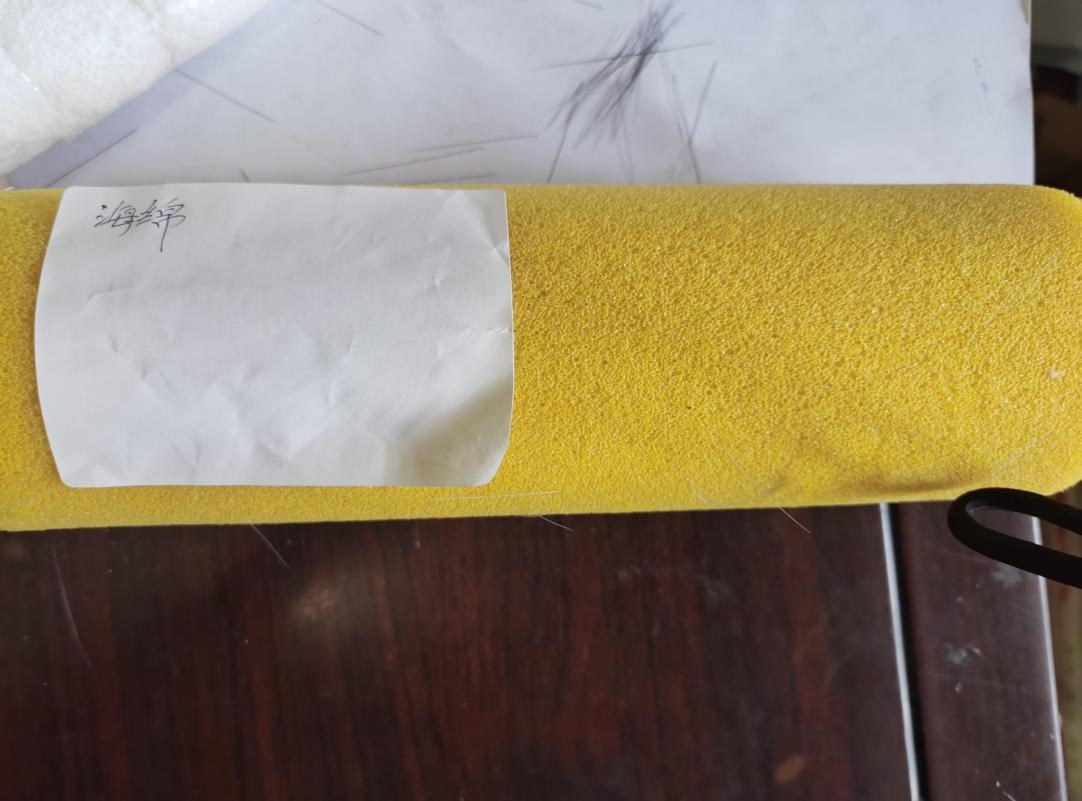
Sponge roller - designed for texture coating and decorative effects.
Sponge rollers have high paint absorption and are mainly used for texture coating, thick paste coating, elastic coating and decorative pattern work.
They can create a strong three-dimensional surface effect, improve working efficiency and provide long service life in special decorative applications.
Recommended for: Texture coating, elastic coating, decorative finish and thick coatings.
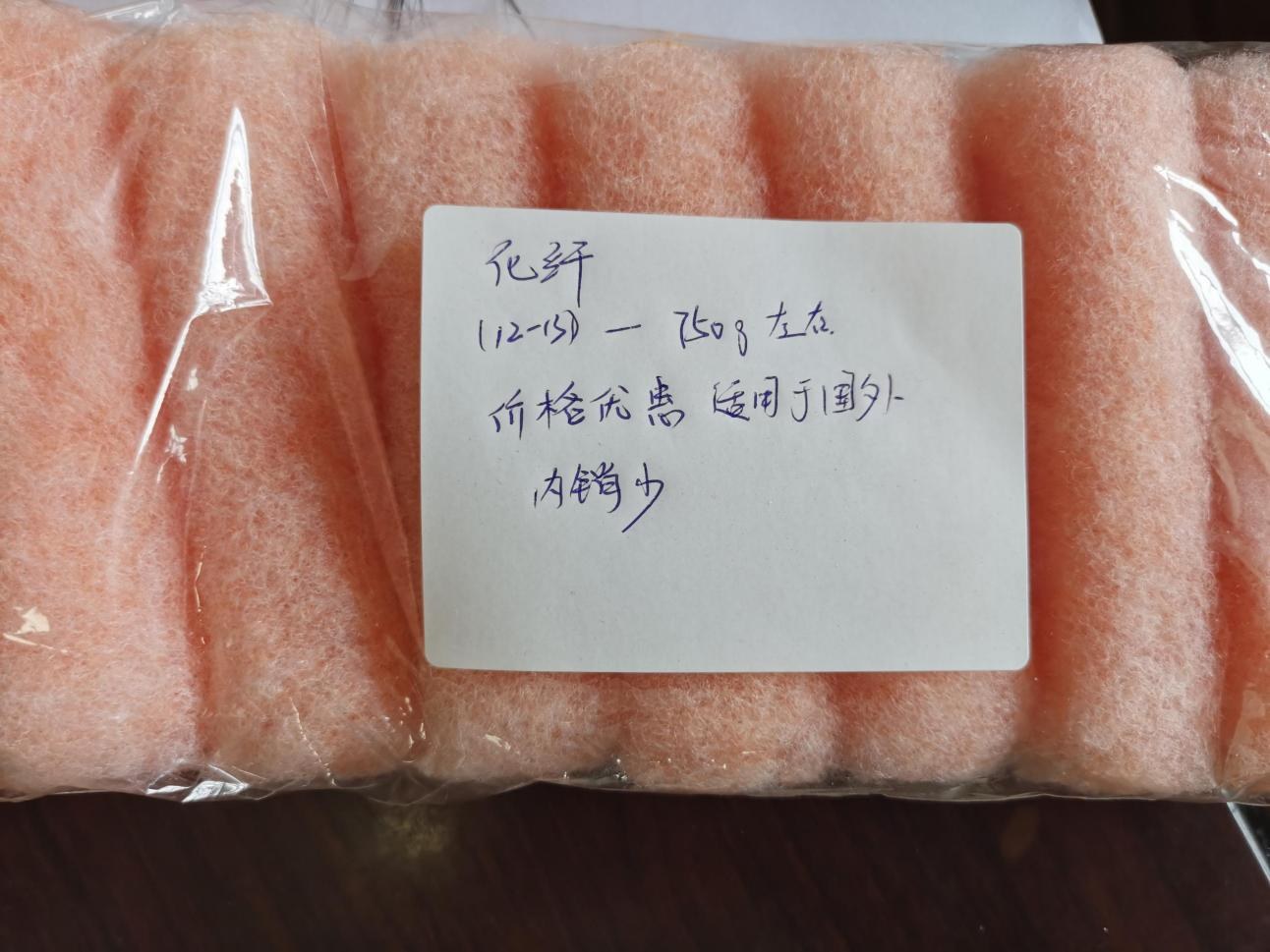
Chemical fiber roller fabric - economical option for budget projects.
Chemical fiber rollers are economical and suitable for low-cost projects. They are simple, affordable and practical for entry-level applications.
However, compared with higher-grade roller fabrics, chemical fiber rollers may have more lint during use.
Recommended for: Economy-grade rollers and low-cost painting projects.
Paint roller cores can be made from tube material or sheet material. Tube cores are usually more expensive and stronger, while sheet cores are more cost-effective. The choice depends on the target market, quality requirement and budget.
The best paint roller depends on the paint type, surface condition, required finish and budget. For economical projects, polyester or chemical fiber rollers are suitable. For general wall painting, acrylic-polyester blended fabric is a good choice. For high-quality finishing, microfiber, wool or wool-blended rollers are recommended. For industrial or special coatings, nylon and sponge rollers can provide better performance.
By choosing the correct roller fabric and structure, painters can achieve better coverage, a smoother finish, less lint and higher working efficiency.


 English
 Spanish